Tuscany is one of those regions that sounds almost too picturesque to be real. Imagine rolling hills dotted with cypress trees, vineyards stretching out as far as the eye can see, and charming villages nestled in valleys. But if you’re planning a trip to this stunning part of Italy, you might be wondering just what all those dreamy landscapes mean in practical terms. Let’s break down Tuscany’s geography in a way that makes sense for travelers like you.
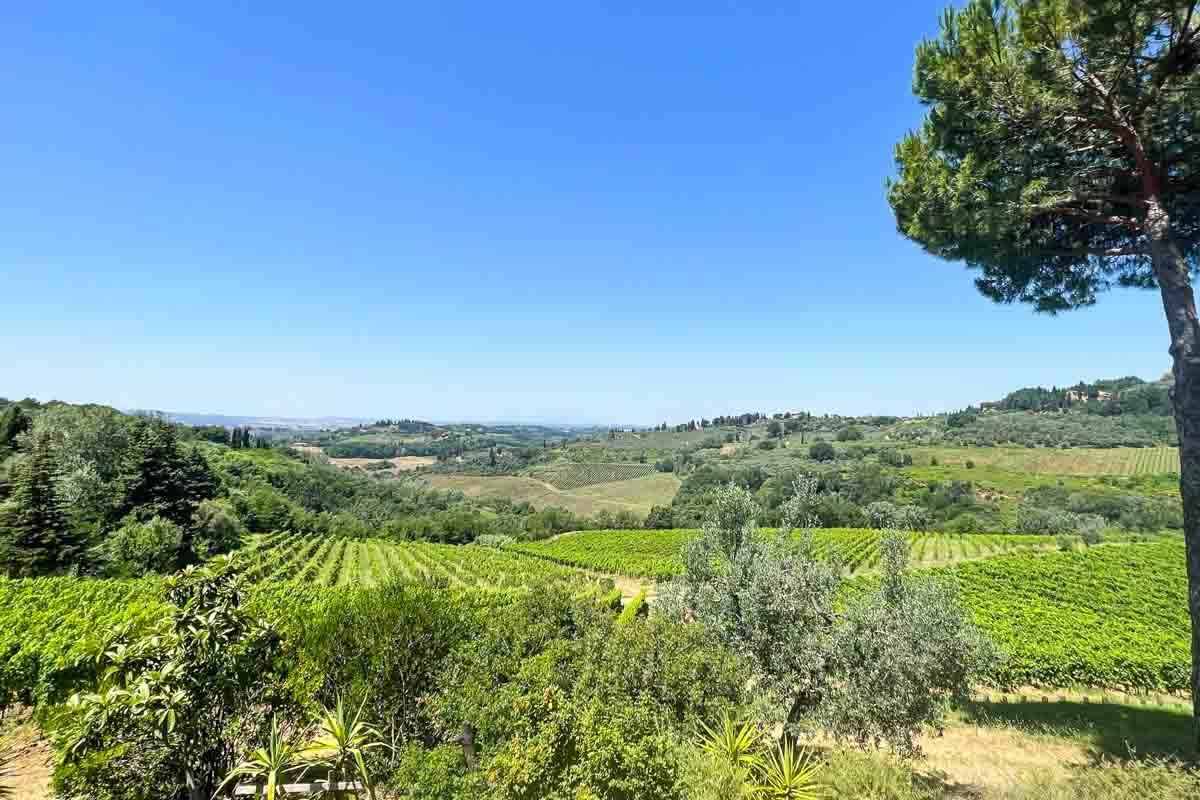
Having explored Tuscany myself, I can tell you that the region’s geography isn’t just beautiful—it’s incredibly varied, and that makes for a unique travel experience. One day, I found myself driving through the iconic rolling hills near Chianti, where vineyards seem to go on forever, and the next, I was wandering the medieval streets of towns like Siena and San Gimignano, perched on hilltops with breathtaking views. Knowing how Tuscany’s landscapes shift from wide valleys to rugged coastlines can help you plan your trip better, ensuring you don’t miss any of its hidden gems.

The Basics: Where is Tuscany?
First off, let’s get our bearings. Tuscany is located in central Italy, roughly in the middle of the country’s boot-shaped map. It’s bordered by the Ligurian Sea to the west and shares its northern border with the Emilia-Romagna region. To the south, it meets Lazio, and to the east, it’s flanked by Umbria and Marche. In other words, Tuscany is centrally placed, making it a fantastic base for exploring a good chunk of Italy.
The Land of Hills and Valleys
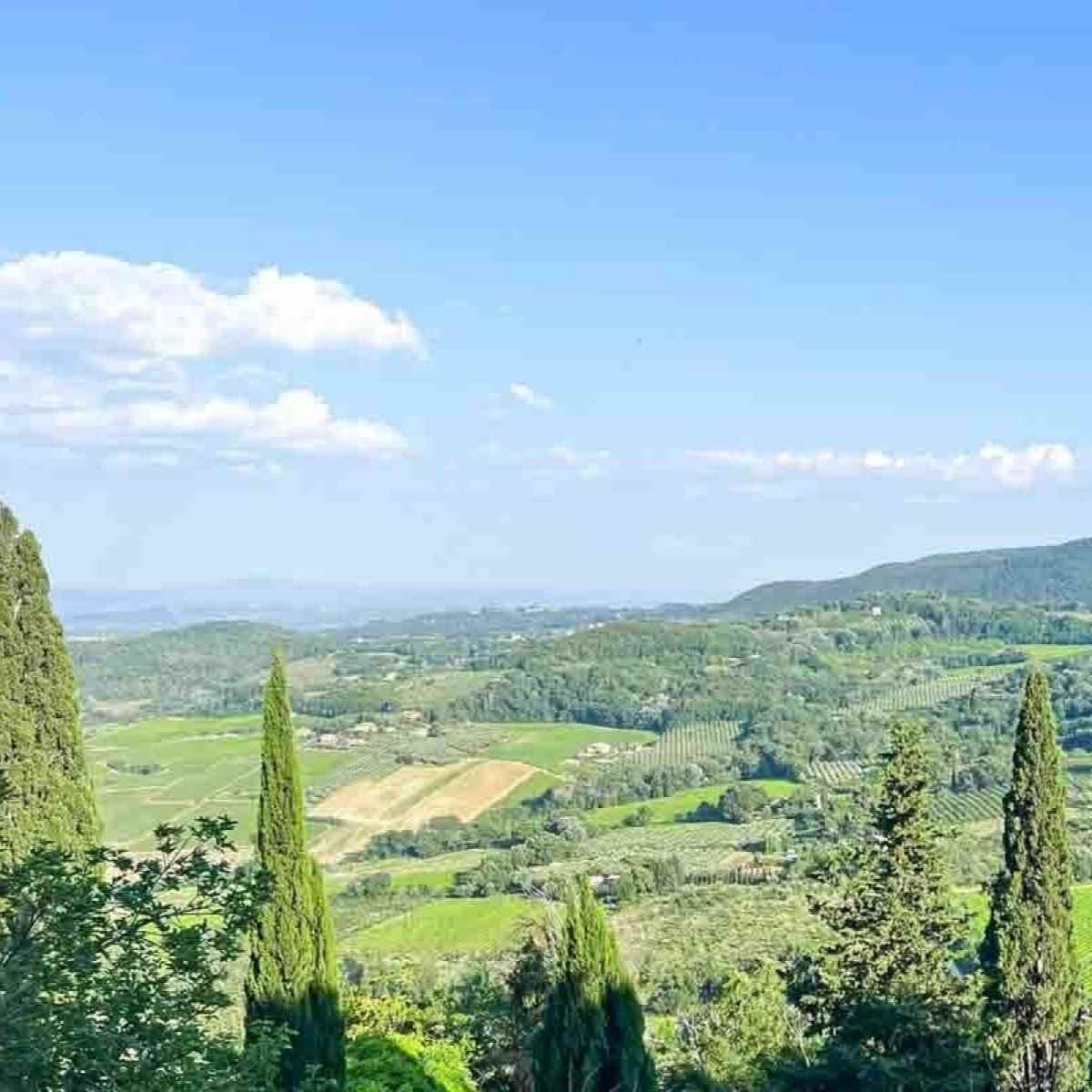
One of Tuscany’s most distinctive features is its varied landscape. It’s famous for its rolling hills, which are part of a larger geographic area called the Tuscan-Emilian Apennines. These hills are not just for show; they shape the region’s climate and agricultural practices. The rolling terrain also creates those classic Tuscan vistas you see in travel magazines.
The region’s heart is the Chianti area, renowned for its wine and olive oil. Here, you’ll find gently undulating hills and lush vineyards that stretch across the landscape. If you’re into wine tasting, this is your mecca.
The Tuscan Coastline
When you need a break from the hills, head to Tuscany’s coastline. The region’s western edge meets the Ligurian Sea, offering a mix of sandy beaches and rocky coves. The coastline stretches from the vibrant city of Livorno down to the more tranquil areas near Grosseto.
The coastline isn’t just about beach time, though. The Tuscan Archipelago, which includes islands like Elba, is also part of this coastal area. Elba, the largest island, is famous for its clear waters and Napoleon Bonaparte’s exile.

Major Cities and Their Surroundings
Tuscany isn’t just a collection of countryside; it’s also home to some vibrant cities. Florence, the capital, is a treasure trove of art and history. It’s set in a river valley, with the Arno River slicing through the city. The surrounding hills and countryside make for stunning day trips if you’re looking to escape the urban hustle.
Siena, another gem, is located in the central part of Tuscany and is surrounded by beautiful rolling hills. This city is famous for its medieval architecture and the Palio horse race. Its setting in a valley means the city is somewhat surrounded by a natural amphitheater, adding to its charm. Explore them to discover the perfect hotels to stay in.
The Montalcino and Montepulciano Areas
For those who love wine, Montalcino and Montepulciano are two places you’ll want to include in your travels. Montalcino is known for its Brunello wine and is surrounded by vineyards and olive groves. It’s perched on a hilltop, providing panoramic views of the surrounding countryside.
Montepulciano, on the other hand, is a bit more elevated and is famous for its Vino Nobile. The town sits atop a ridge, so expect some steep climbs, but the views and the wine are well worth the effort.
The Natural Parks and Reserves
If you’re a nature lover, Tuscany has several natural parks and reserves that are perfect for hiking and exploring. The Casentino Forests, Monte Falterona, and Campigna National Park cover a large portion of northern Tuscany. This area is known for its dense forests, rugged mountains, and ancient monasteries.
Further south, the Maremma Regional Park is another great spot. It’s known for its diverse landscapes, from wetlands to Mediterranean scrubland. You might even spot some wild horses in this part of Tuscany.
The Climate: What to Expect
Understanding Tuscany’s geography also means knowing what kind of weather to expect. The region enjoys a Mediterranean climate with hot, dry summers and mild, wet winters. The coastal areas are generally cooler and breezier, while the inland areas can get quite warm in summer.
Spring and fall are fantastic times to visit if you want to avoid the summer crowds and enjoy pleasant temperatures. The countryside is particularly beautiful during these seasons, with blooming flowers in spring and vibrant autumn colors.
Getting Around Tuscany
Navigating Tuscany can be part of the fun. If you’re sticking to the cities, public transportation like trains and buses can get you around easily. However, if you’re planning to explore the countryside, renting a car is highly recommended. This gives you the freedom to wander through the vineyards, visit small towns, and take in the breathtaking scenery at your own pace.
Local Tips
Finally, a few local tips. Tuscany’s terrain means that distances might be shorter than they appear on a map, but the winding roads can make travel time a bit longer. Don’t be in too much of a hurry; sometimes the best experiences come from taking the scenic route.
Also, keep in mind that many towns are hilly. Wearing comfortable shoes will make your explorations much more enjoyable.
Wrapping It Up
Tuscany’s geography is a big part of what makes it so enchanting. From its rolling hills and charming cities to its beautiful coastline and natural parks, the landscape offers a little bit of everything. Whether you’re a wine enthusiast, a history buff, or just someone looking to enjoy some stunning views, Tuscany’s diverse geography has something to offer. Pack your bags, embrace the scenic routes, and get ready for an unforgettable Tuscan adventure.
Pin for Later

Need Support or have Questions? Join our Free Facebook Group.
Follow us on Pinterest, Facebook, Instagram, TikTok, Flipboard, or YouTube.
For weekly Posts and a FREE E-Book get into our NEWSLETTER.